


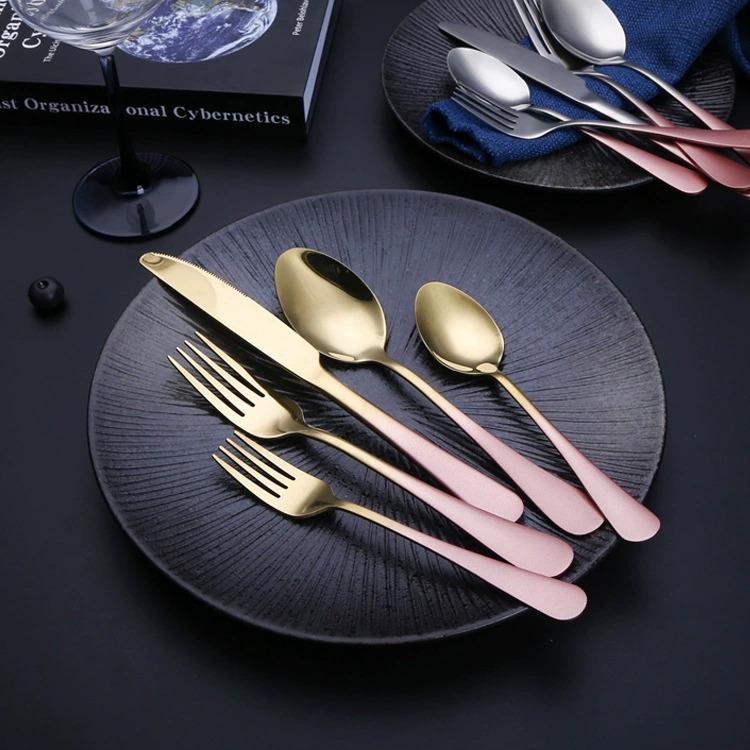
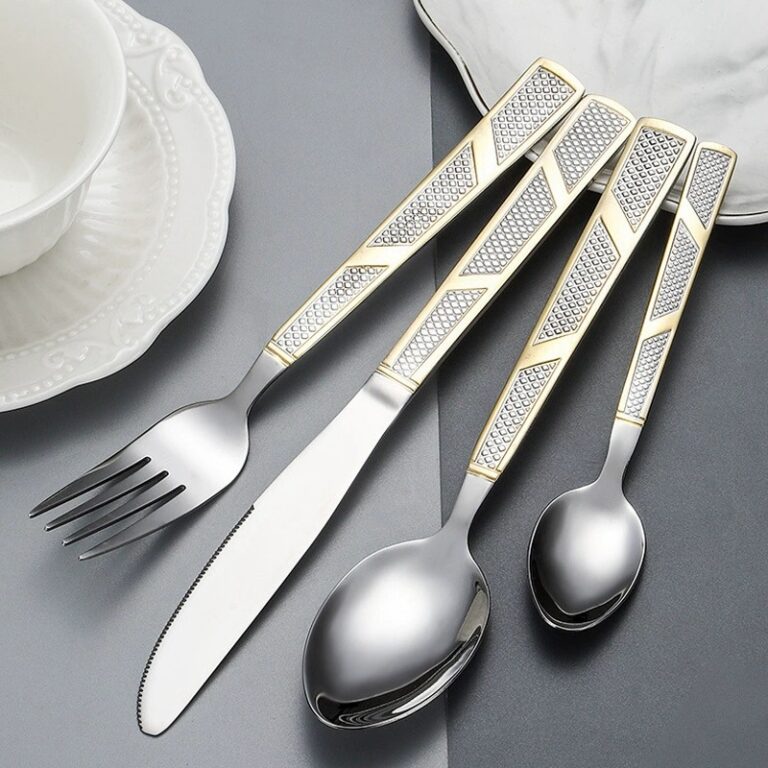
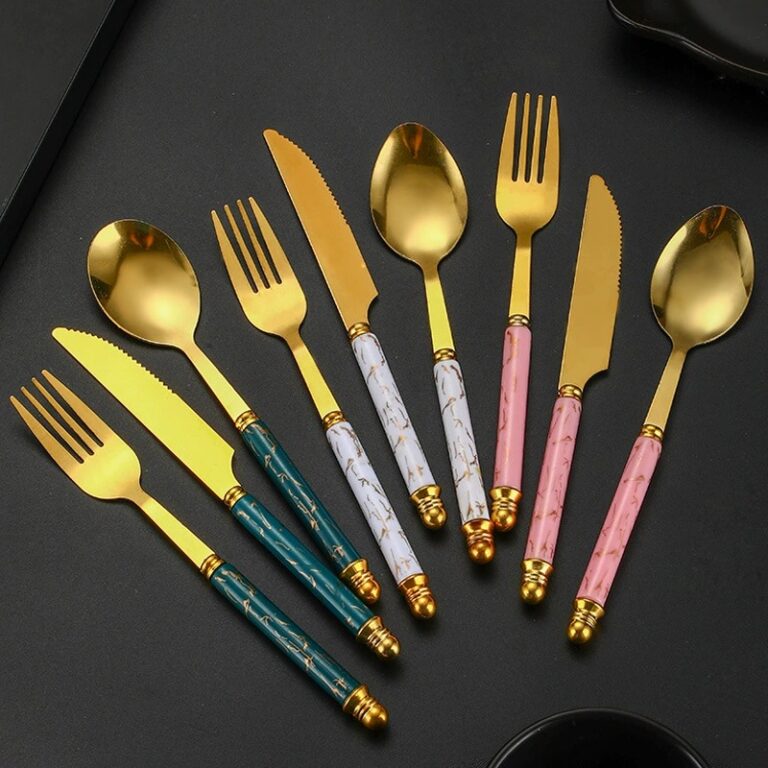

Sourcing custom stainless steel cutlery wholesale from Chinese manufacturers is the most cost-effective procurement choice for global tableware merchants, but many importers often encounter various problems in the cooperation process, resulting in economic losses and delayed sales cycles. Most order risks are caused by non-standard procurement processes and unclear demand communication. Based on years of export service experience, One Stop Tableware Trading summarizes six most common procurement mistakes of overseas buyers, helping global customers avoid risks and complete low-risk bulk western cutlery procurement efficiently.
Typical Procurement Mistakes And Risk Avoidance Solutions
- Ignore pre-production sample confirmation: Many buyers rely solely on design drawings and product pictures to confirm bulk production, ignoring the difference between planar images and physical products. This is the biggest cause of batch product mismatch. The effective solution is to confirm physical pre-production samples before all bulk orders, and lock the sample standards as the production basis.
- Unclear material grade and process standards: Oral communication of product requirements without written contract confirmation will easily lead to suppliers replacing high-grade raw materials with low-cost materials, resulting in unqualified product quality. Buyers need to clearly mark stainless steel grade, surface process, certification standards and other core parameters in the order contract.
- Neglect ocean transportation packaging protection: Long-distance sea transportation is prone to extrusion and friction. Simple packaging will cause a large number of cutlery scratches and coating damage. It is necessary to customize professional export shockproof packaging according to the order volume and transportation mode to ensure product integrity.
- Vague private label customization requirements: Unclear logo size, position, font and engraving process will lead to inconsistent brand effects of bulk products. It is necessary to confirm the logo production draft and effect in advance, and lock the personalized customization standards.
- Insufficient production and shipping cycle reservation: Many buyers arrange orders too close to holiday sales peaks, resulting in tight production time and delayed shipment, missing the best sales window. It is recommended to reserve 30-45 days of production and logistics cycle in advance for seasonal hot sales products.
- Lack of clear quality inspection standards: Without unified defect judgment standards, it is easy to trigger after-sales disputes over defective products. Both parties need to confirm the AQL inspection standard and defective product processing scheme in advance before shipment.
One Stop Tableware Trading always adheres to standardized and transparent cooperation processes, effectively avoids all kinds of procurement risks for global custom flatware wholesale buyers through whole-process demand docking, sample confirmation, quality supervision and progress tracking, and creates safe, efficient and cost-effective one-stop tableware export trading services.